James Gleick
A Home for My Books
and a Repository for Occasional Writing and Other Outbursts
Books
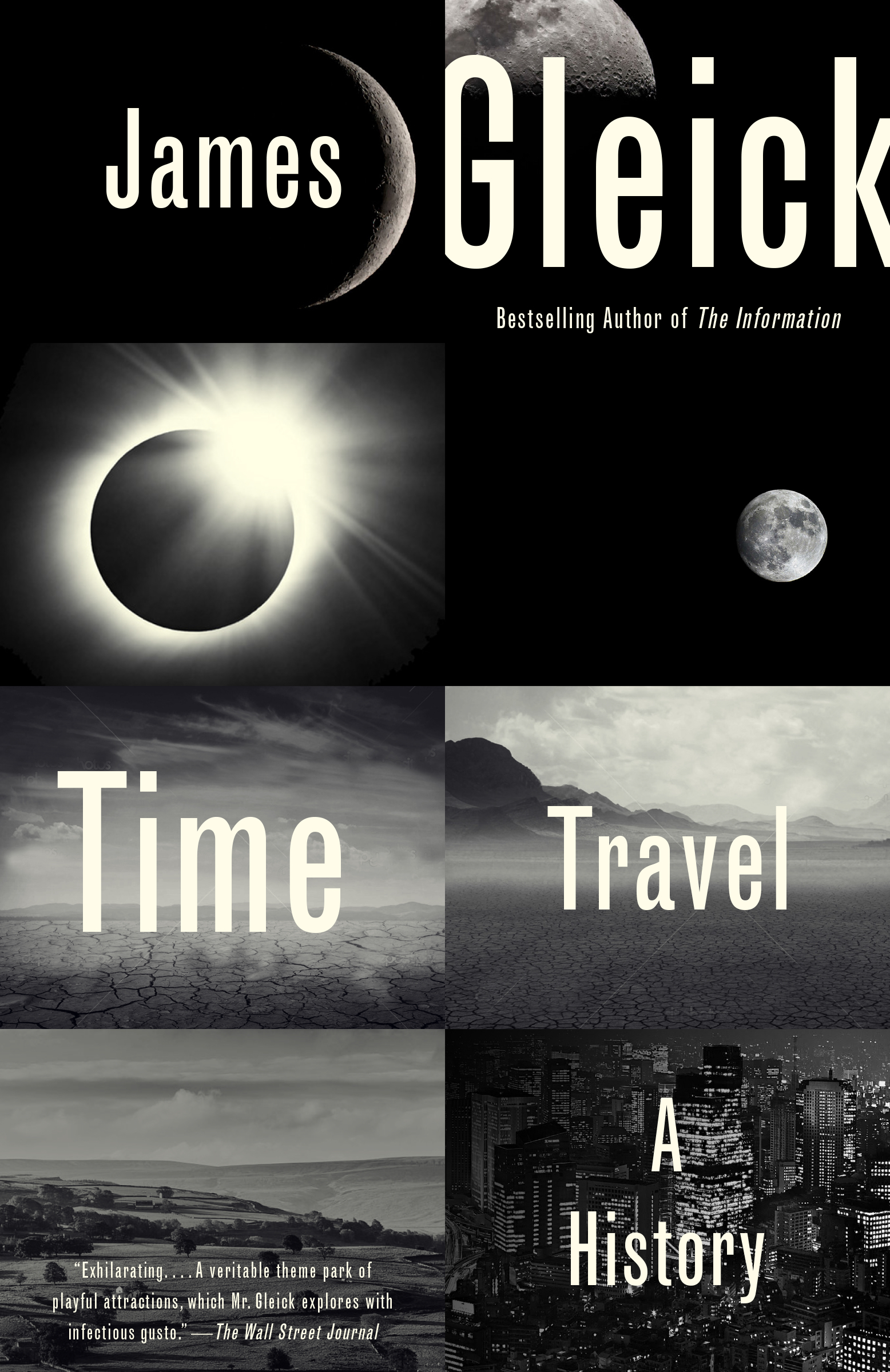
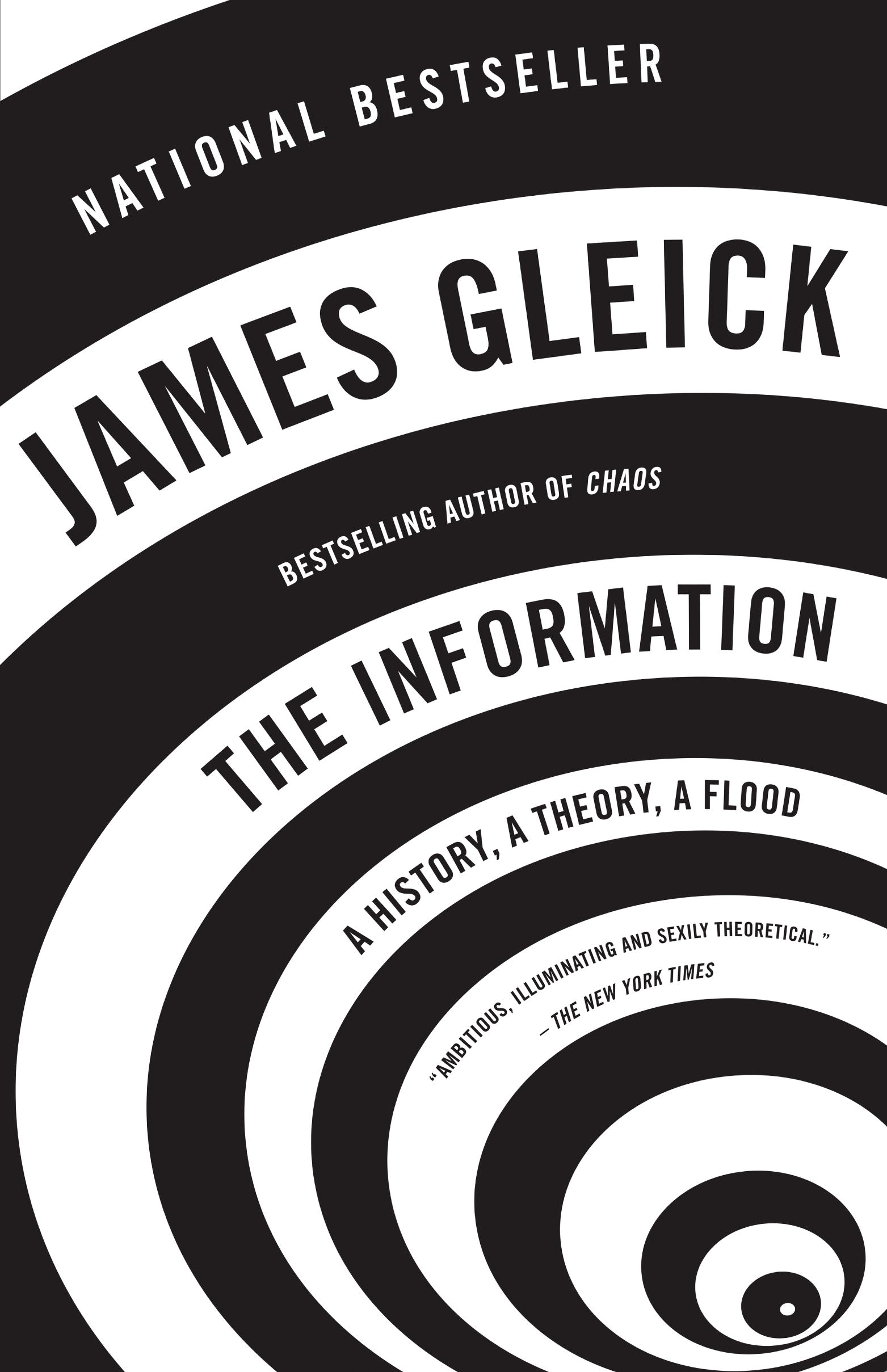

About

James Gleick is an author, essayist, and journalist writing about science and technology and their cultural consequences. His books have been translated into more than thirty languages.
MoreLatest
Free Will—Yea or Nay?
A neuroscientist and geneticist sets out to rescue the beleaguered concept from its many deniers—including some famous physicists. “We make decisions, we choose, we act. These are the fundamental truths of our existence and absolutely the most basic phenomenology of our lives. If science seems to be suggesting otherwise, the correct response is not to throw our hands up …" Is he right?
MoreTwitter, We Hardly Knew Ye
With the entity formerly known as Twitter vanishing in the rearview mirror, here are two articles from the early days, when we wondered what it was and what it might become. A global conversation? A mosaic of communities and interests? Perhaps you remember.
MoreNow You See Me, Now You Don’t
If you could choose one superpower—to fly, or to be invisible—which would you pick? If you were invisible, what would you do?
Dreams of invisibility in a world of ubiquitous surveillance.
Moon Fever
First it was a heavenly body—a beacon, or a world, a place where no one could possibly go. Then, from 1969 to 1972, twelve people landed there in spaceships. On behalf of all humanity, they said. Is it time to go back?
More